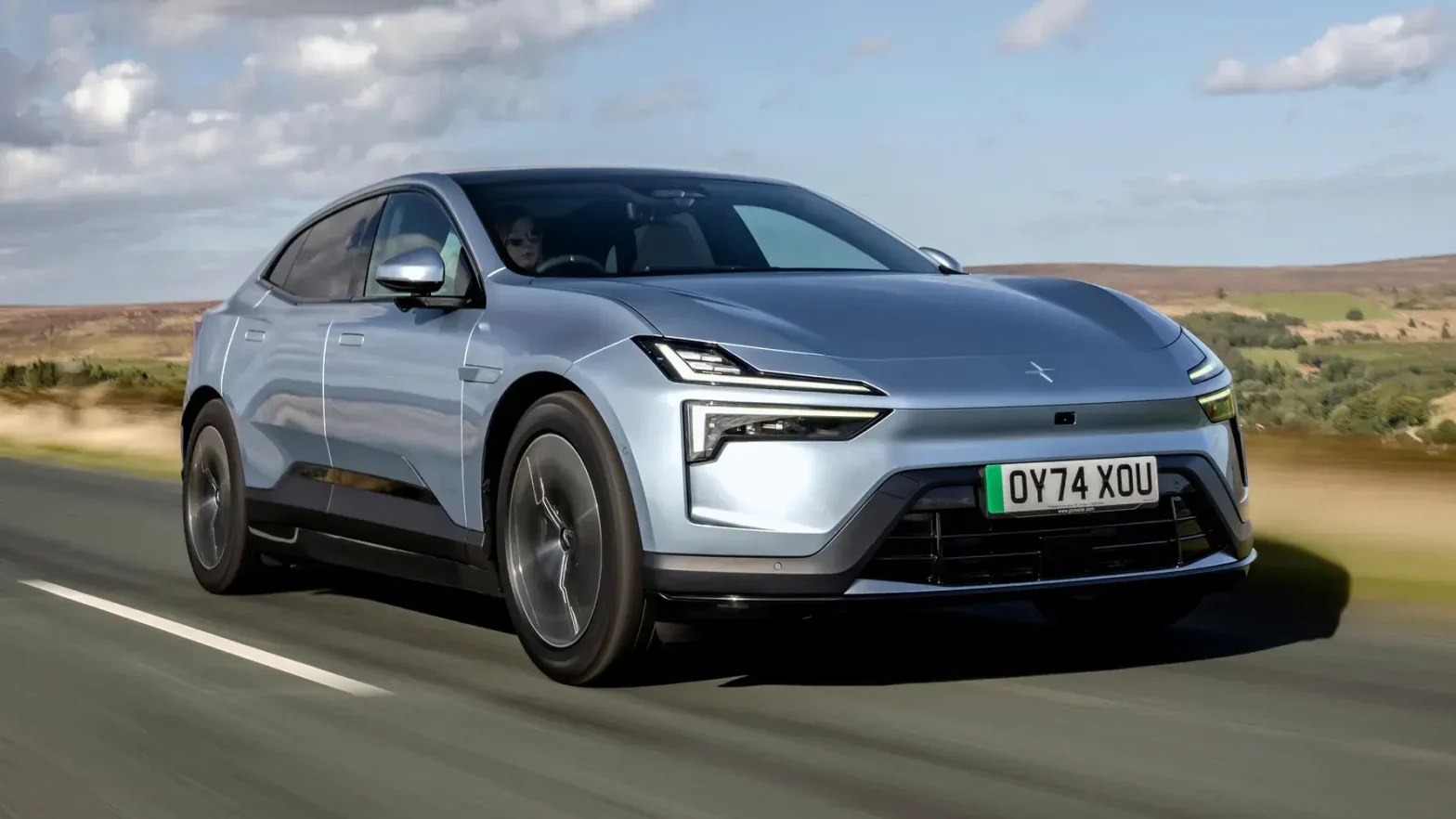
The 2025 Polestar 4 is set to make a significant impact in the electric SUV market, combining cutting-edge technology with impressive performance. This sleek vehicle boasts a modern design that reflects Polestar’s commitment to sustainability and innovation.
In terms of specifications, the Polestar 4 features a robust electric powertrain that delivers exceptional acceleration and efficiency. With multiple battery options available, drivers can expect a range that caters to both urban commuting and longer journeys. The SUV is equipped with advanced safety features and an intuitive infotainment system, ensuring a comfortable and secure driving experience.
Pros and Cons
Pros
- Brutal shove from the Dual Motor (0-100 km/h in 3.8 s).
- Genuine 500-plus-kilometre touring range in the Single Motor.
- Cabin feels Ikea-chic rather than Vegas-lounge, and the Google-based infotainment is as intuitive as your phone.
- Plenty of standard active-safety tech thanks to Volvo DNA.
Cons
- Option packs quickly tip the sticker past $100,000.
- Camera mirror takes a few days to retrain your eyeballs.
- Brembo brakes and 22-inch wheels (Performance Pack) harden the ride.
How Much Does It Cost?
Polestar 4 Australia price starts at $78,500 plus on-roads for the Long Range Single Motor and $88,350 for the Dual Motor; load every pack and you stare at roughly $125,000 before driveway costs.
Features and Benefits
Even base cars carry a full-length glass roof, 20-inch aero wheels, 15.4-inch touchscreen running Android Automotive OS, wireless Apple CarPlay, heat-pump HVAC and an 11-camera ADAS suite. Tick the Plus Pack for pixel LED headlights and Harman Kardon audio, or the Performance Pack (Dual Motor only) for Öhlins-tuned dampers, 22-inch alloys and Swedish-gold accents.
Safety
With 11 cameras, 12 ultrasonic sensors and a LiDAR-ready roof, the Polestar 4 SUV aims for a five-star ANCAP score when tested. Standard kit bundles adaptive cruise, lane-centering, blind-spot assist and rear-cross-traffic auto-brake; the rigid SEA architecture and low centre of gravity further boost crash performance.
Running Costs
Real-world energy use sits around 18 kWh/100 km for the Single Motor and 21 kWh/100 km for the Dual. On an average Aussie tariff of 33 c/kWh you are looking at roughly $6.10 per 100 km, about a third of what a similarly quick petrol SUV drinks. Scheduled servicing is largely a cabin-filter check every two years, and Polestar bundles 3 years of roadside assist.
Comparison To Its Competitors
Stack the Polestar 4 up against rivals and it holds its own:
- Tesla Model Y: Slightly cheaper, but the cabin feels more sterile. Polestar’s interior is far more engaging.
- Mercedes EQB/GLB: More traditional SUV layout, but less range and tech focus.
- Audi Q4 e‑tron: Plush cabin, superb ride, but takes longer to accelerate and limits OTA updates.
For those after performance and design, the Polestar 4 SUV strikes a compelling balance.
Unveiling the Future: 2025 Polestar 4 Redefines Electric Performance
Conclusion
The 2025 Polestar 4 delivers premium coupe‑SUV performance wrapped in a clean, tech‑savvy package. Sure, the pricing leans toward the higher end, but if your list prioritises agile handling, strong range and cabin quality, without flashing gaudy, this EV should be on your radar. It feels as if Polestar asked, “What if Volvo went electric and stripped the fluff?” The result is refreshingly sharp.
Rating: 8.7/10
The Polestar 4 scores big for performance, design flair, and long-legged efficiency. A few ergonomic quirks and pricey option packs stop it short of the nines, but for most buyers this is the most balanced EV in the mid-premium bracket.