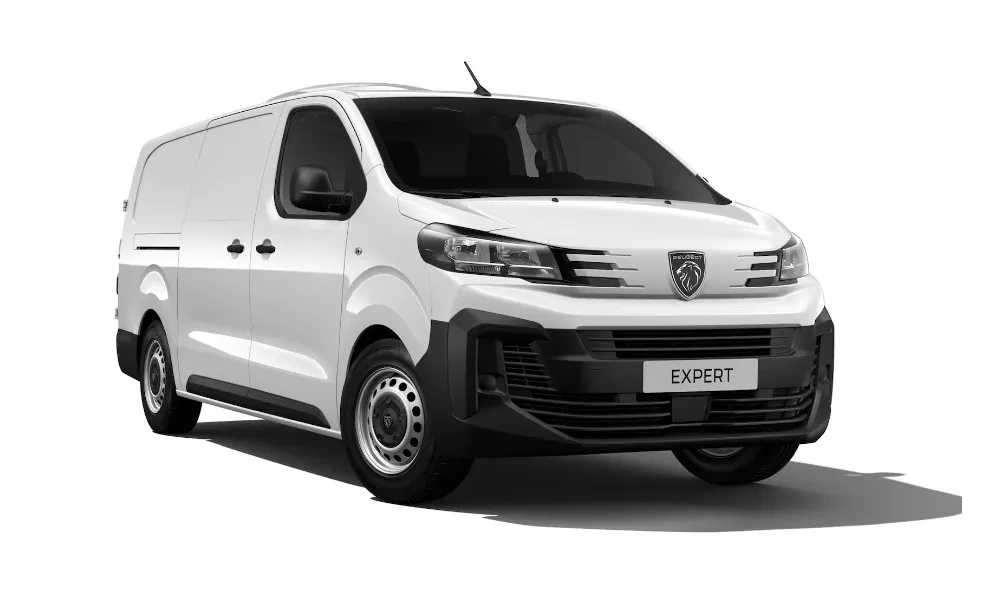
The 2025 PEUGEOT Expert is a mid-size van that aims to make long days a bit easier. The cabin feels car-like, the payload is stout for the class, and there is now an electric E-Expert option for fleets that want quiet running in suburbs. Diesel power remains the volume pick, with simple controls and a tidy footprint that slips into city spaces better than larger vans. In short, the Expert tries to balance comfort with hard-yakka practicality, which is exactly what most owner-drivers want.
Pros and Cons
Pros: Comfortable ride for a van, efficient diesel, neat turning circle, dual sliding doors on most grades, growing active-safety suite.
Cons: Base diesel misses some nicer touches, some rivals still offer more dealer coverage, electric price is ambitious for small operators.
How Much Does It Cost?
For 2025, the diesel 2025 PEUGEOT Expert price list starts from about $43,490 before on-roads for entry variants and rises into the low-50s depending on wheelbase and transmission. The electric E-Expert sits at $79,990 before on-roads. Peugeot’s commercial warranty in Australia is 5 years/200,000 km, which helps whole-of-life maths for high-kilometre users.
Features and Benefits
Diesel models run a 2.0-litre turbo-diesel with around 110 kW and 370 Nm, matched to a six-speed manual or eight-speed auto. That tune suits stop-start urban work and light highway runs without drinking like a sailor. 2025 PEUGEOT Expert features include Apple CarPlay and Android Auto, practical storage, and dual sliding doors on most trims. The E-Expert adds a quieter drive and Peugeot’s newer tech interface with larger screens, which cleans up the dash and makes device mirroring a cinch.
2025 PEUGEOT Expert cargo capacity is the selling point. Short-wheelbase vans offer about 5.3 m³ of load volume, while long-wheelbase versions stretch to about 6.1 m³. Payloads typically sit a touch over a tonne and can climb toward 1.4 tonnes, with braked towing up to 2,165 kg published for recent models. Those figures keep the Expert right in the hunt for shelving, ladders, toolboxes, or bulky whitegoods.
Safety
Older base variants were light on active safety. That narrative shifts for vans built from October 2024. ANCAP retested the Expert and awarded a Gold collision-avoidance grading for diesel models on sale from January 2025, citing solid performance for lane support, speed assistance and driver monitoring. Parking aids and a 180-degree reversing camera feature more widely, especially on the E-Expert. If you skipped the Expert in past years on safety grounds, it is worth a fresh look.
Running Costs
If you are chasing 2025 PEUGEOT Expert fuel efficiency, the diesel sits roughly around 6.0-6.3 L/100 km on official numbers, which is competitive for the class. The electric E-Expert removes diesel stops entirely but does ask for careful charging planning if you tow or fully load the van. Tyres are common sizes, service pricing is in line with Euro rivals, and the longer commercial warranty takes some sting out of ownership risk.
Comparison To Its Competitors
Toyota HiAce remains the dependable choice with unmatched dealer reach, while the latest Ford Transit Custom feels the most car-like to drive. The Expert fights back with comfort, turning circle, and that new ANCAP Gold active-safety grading. If your routes lean heavily urban, the Expert’s size and ride are a sweet spot. If you live on the highway, the Transit Custom’s cabin tech and Toyota’s service network still carry weight.
2025 Peugeot Expert Unveiled: Smarter Tech, Sleeker Design, Greater Payload Capacity
Conclusion
The 2025 PEUGEOT Expert lands in a better place than before. The diesel remains efficient and easy to live with, the cabin is friendlier than you might expect in a work van, and the active-safety story improves for 2025. The E-Expert is a brave step for eco-minded fleets, though the sticker price will limit its audience for now. If your brief is a comfortable mid-sizer with honest 2025 PEUGEOT Expert performance and proper cargo capacity, this should be on the shortlist.
Rating: 8/10
The Expert earns its keep with comfort, economy, and now stronger active-safety credentials. Pricing is fair for diesel, the electric variant feels pricey, and dealer density still trails the Japanese leaders. For many tradies and couriers, though, this is the right tool for the job.