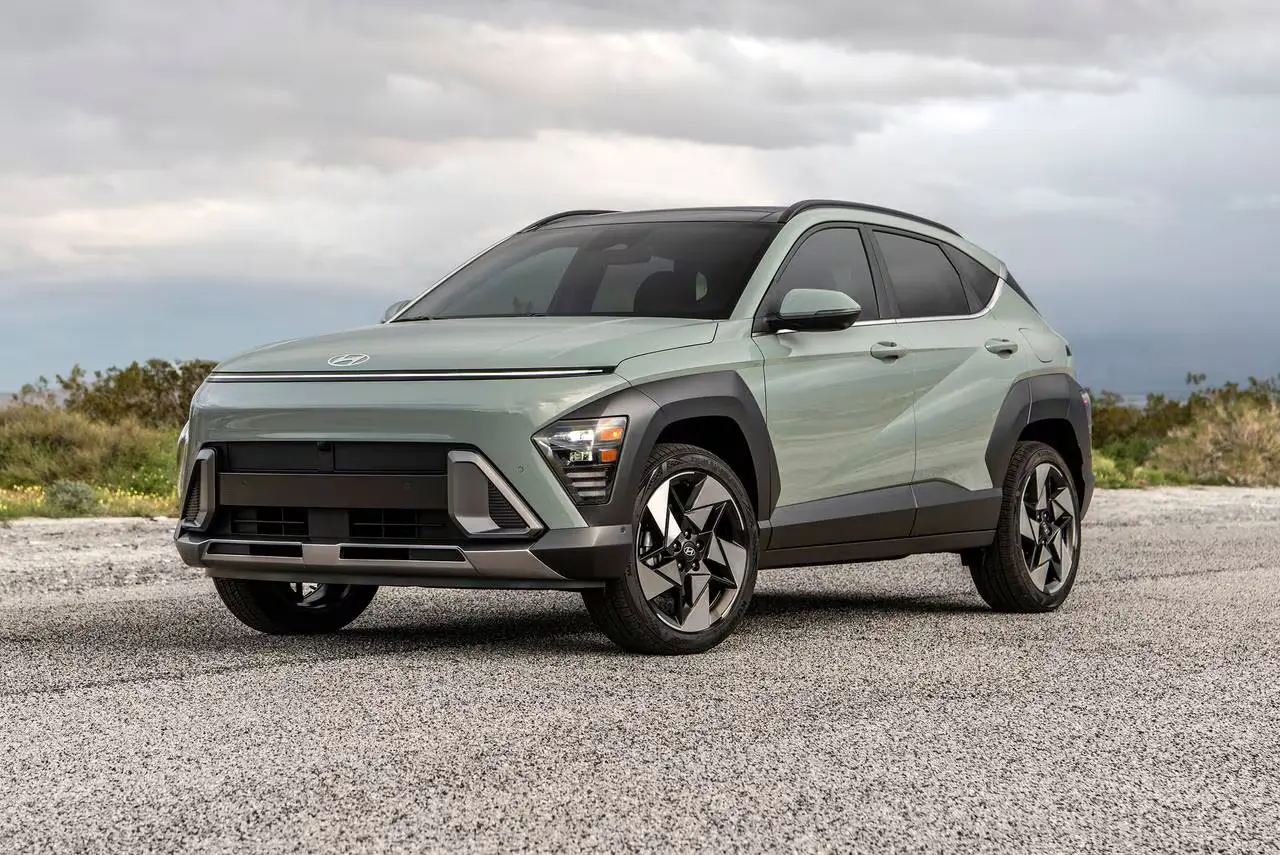
The 2025 HYUNDAI Kona feels like the small SUV that finally grew into its shoes. It looks sharper, the cabin tech is what people actually use, and the mix of engines gives buyers a real choice. If you want a tidy city runabout that still copes with a family weekend, the new Kona hits the brief. This 2025 HYUNDAI Kona review focuses on the Australian market, with an eye on real-world use, not brochure promises.
Pros and Cons
Pros: roomy second row for the class, polished infotainment, quiet cruising, proper choice of powertrains including hybrid, available N Line with serious punch.
Cons: ANCAP score is four stars rather than five, base 2.0 is adequate not lively, pricing now nudges rivals at the top end.
How Much Does It Cost?
For Australia, the 2025 HYUNDAI Kona price Australia range starts at about $32,500 before on-roads for the base 2.0 petrol and stretches to roughly $68,000 for the top electric variant. N Line and Premium trims sit in the middle, with hybrid models priced above the base petrol and below the long-range EVs.
Features and Benefits
The 2025 HYUNDAI Kona interior is the headline act. Dual 12.3-inch displays, a clean dash layout, and easy phone mirroring make daily life simple. Hyundai’s Bluelink connected services and the usual SmartSense driver aids are on the menu, and the cabin storage is genuinely useful. Dimensions are friendly for city parking, yet it still carries a week’s groceries without fuss. Hyundai lists length at 4,350 mm, width at 1,825 mm, height at about 1,585 mm, a 2,660 mm wheelbase, and 407 litres of boot space, expanding to 1,241 litres seats-down.
If you want more bite, the N Line serves up 146 kW from a 1.6-litre turbo, and in Australia you can option all-wheel drive on N Line grades. That gives the Kona real point-and-squirt ability out of corners and surer footing in the wet, without turning it into a track toy.
Safety
Here is the thing shoppers should know up front. The 2025 HYUNDAI Kona safety rating sits at four stars under ANCAP’s newer, tougher 2023-2025 protocols. Adult Occupant 80 percent, Child Occupant 84 percent, Vulnerable Road User 64 percent, Safety Assist 62 percent. Hardware includes seven airbags and the expected active safety suite. If you want a five-star badge on the window, you will need to cross-shop, but a four-star ANCAP in 2025 still reflects a high safety baseline.
Running Costs
The 2025 HYUNDAI Kona fuel economy depends on the engine you pick. Hyundai’s 1.6 hybrid claims as low as 3.9 L/100 km combined, which is brilliant for city life. The 2.0 petrol sits around 6.6 L/100 km combined, which is competitive for a non-turbo small SUV. The 1.6-turbo AWD N Line uses about 7.6 L/100 km combined, a fair trade for the extra shove and traction. Hyundai backs the range with a five-year unlimited-kilometre warranty in Australia, plus roadside support when you service with the dealer network.
Comparison To Its Competitors
The Kona’s natural rivals are the Toyota Corolla Cross, Kia Seltos and Mazda CX-30. Against Corolla Cross, the Kona Hybrid matches the economy card yet feels nicer to sit in thanks to the twin-screen layout and a calmer cabin at highway speeds. Seltos fights back with a big boot and a keen 1.6-turbo of its own, though Hyundai’s ride comfort and cabin polish are a touch better. Versus Mazda CX-30, the Kona is roomier in the second row and offers a broader powertrain spread, while Mazda counters with classy trim and sharp steering feel. If you want an EV, the Kona Electric keeps things simple with friendly range and a familiar cabin, which is less intimidating for first-time EV owners.
2025 Hyundai Kona: Bold New Design With More Space and Tech
Conclusion
The 2025 HYUNDAI Kona is the small SUV that behaves like a grown-up. The styling has presence, the cabin tech is friendly, and the ride is settled on rough Australian bitumen. The hybrid is the value hero for commuting, the 2.0 keeps costs sensible, and the N Line is the fun pick. The only real asterisk is the four-star ANCAP score. Everything else reads like a confident, cleverly packaged product that deserves a spot on your shortlist.
Rating: 8.3/10
Strong space and tech, very good real-world manners, broad powertrain choice, and pricing that still makes sense. The safety score holds it back from a higher mark, but the 2025 HYUNDAI Kona performance and refinement put it among the class leaders.