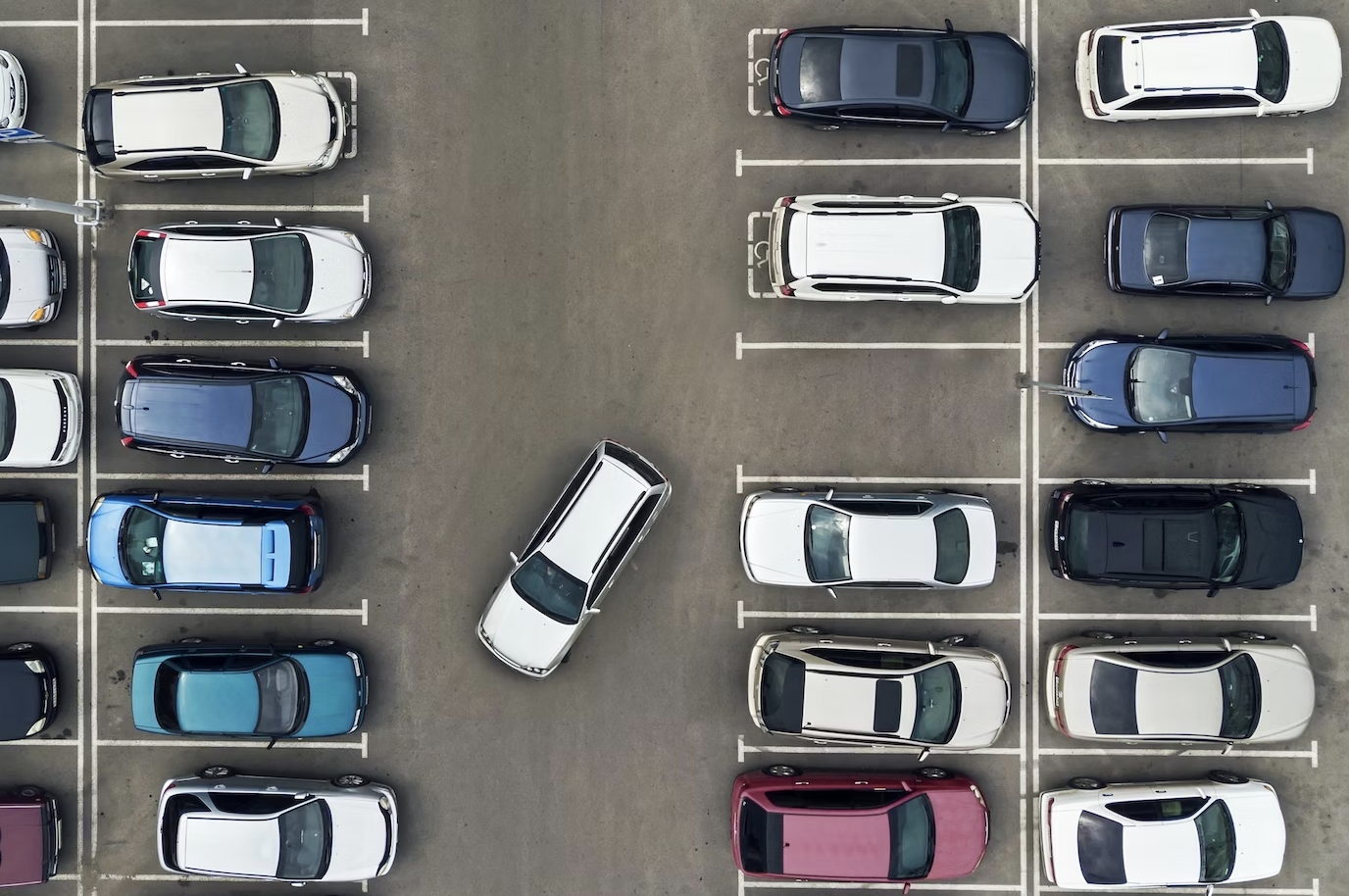
The act of parking a vehicle has sparked an age-old debate: Is it better to reverse into a parking spot or drive in nose first? While both methods have their merits, staunch supporters on each side of the argument claim that their approach is superior. In this article, we will delve into the advantages and disadvantages of reverse parking and forward parking, allowing you to form your own opinion on this perennial parking question.
Reverse Parking
Reverse parking, also known as backing into a parking spot, involves manoeuvring your vehicle backward into the designated space. Here are some arguments in favor of reverse parking:
- Safety and Visibility: One of the main benefits of reverse parking is enhanced safety and improved visibility. By backing into a spot, you have a clearer view of the surrounding area, including pedestrians, oncoming traffic, and potential obstacles. This increased visibility allows for safer exiting when leaving the parking space.
- Ease of Departure: When it’s time to leave, reverse parking enables a smoother and more efficient exit. You have a better field of vision and can navigate out of the parking spot with greater ease, reducing the chances of colliding with other vehicles or objects.
- Precise Alignment: Reverse parking allows for more accurate alignment within the parking space. By approaching the spot from a wider angle, you can adjust the vehicle’s position and angle more precisely, ensuring that you are perfectly centred and leaving adequate space between neighbouring cars.
Forward Parking
Forward parking, or driving into a parking spot nose first, has its own set of advantages that proponents swear by. Let’s explore the arguments in favor of forward parking:
- Accessibility and Convenience: Forward parking is often considered more accessible and convenient, especially in crowded areas or tight parking spaces. It requires less space to maneuver, making it easier to find and enter a parking spot swiftly.
- Reduced Risk of Collisions: When parking nose first, you eliminate the risk of collisions with vehicles or objects behind you. This can be particularly beneficial in situations where there may be limited visibility, such as when parking close to tall structures or large vehicles.
- Quick Getaways: Forward parking allows for a quick exit when leaving a parking space. You can simply drive forward without the need for reversing, which can be a time-saving advantage, especially in busy parking lots or when you’re in a hurry.
The reverse parking vs. forward parking debate ultimately comes down to personal preference and specific parking situations. Reverse parking offers enhanced safety, improved visibility, and greater alignment precision, while forward parking provides accessibility, convenience, and quick exits. Consider factors such as parking lot congestion, visibility limitations, and your own comfort level with manoeuvring in reverse. It is worth noting that some areas may have specific regulations or guidelines that favour one method over the other.
Regardless of your parking preference, the key is to exercise caution, follow traffic rules, and be considerate of other drivers and pedestrians. Ultimately, the best parking technique is the one that allows you to park safely, efficiently, and without causing any inconvenience or hazards to those around you.