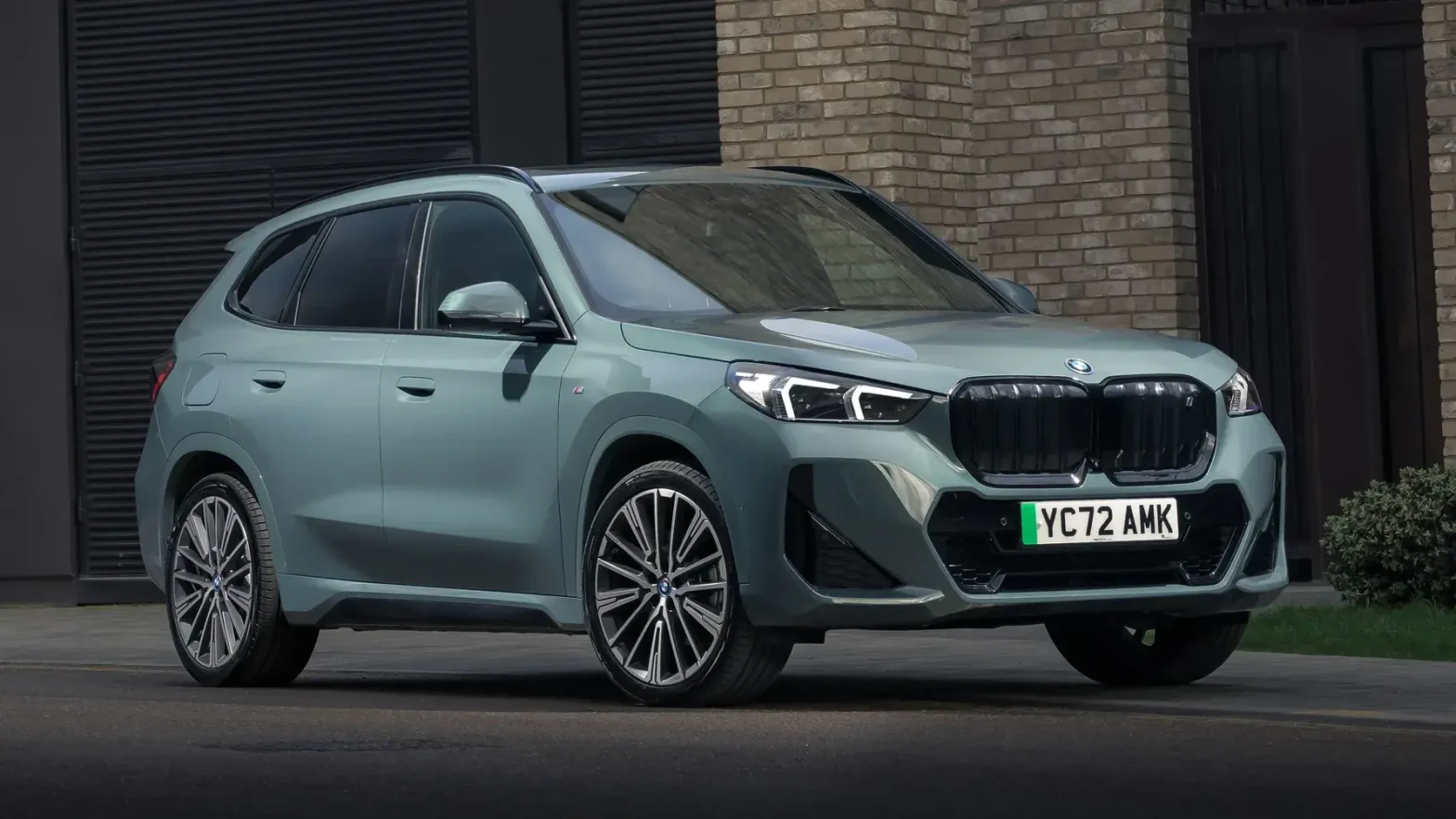
The 2025 BMW iX1 is set to make a significant impact in the electric vehicle market, combining the brand’s renowned luxury with cutting-edge technology. This compact SUV offers an impressive range, with estimates suggesting it can travel up to 400 kilometers on a single charge, making it an ideal choice for both urban commuting and longer journeys.
In terms of performance, the BMW iX1 Sport variant promises a dynamic driving experience, featuring enhanced acceleration and handling characteristics that cater to enthusiasts. The sleek design is complemented by a modern interior equipped with advanced infotainment systems and sustainable materials.
Pros and Cons
Pros
- Lively acceleration in xDrive30 guise
- Clean, modern cabin with iDrive 9
- 5-star ANCAP safety rating
- Competitive running costs (18-19 kWh/100 km real world)
Cons
- Firm ride on 20-inch wheels
- No rear-wheel-drive option
- Optional 22 kW AC charging costs extra
- Boot smaller than a Model Y
How Much Does It Cost?
The 2025 BMW iX1 range opens at $78,900 plus on-road costs for the iX1 eDrive20 xLine. Step up to the dual-motor iX1 xDrive30 xLine and you are looking at $86,800 before add-ons. Tick the M Sport package, metallic paint, or a panoramic roof and the driveway figure climbs into the mid-90s.
Features and Benefits
Both variants arrive with BMW’s latest curved display running iDrive 9, wireless Apple CarPlay and Android Auto, a heat-pump climate system and standard adaptive LED headlights. The xDrive30 lifts power to 230 kW and 494 Nm, good for a 0-100 km/h sprint in 5.6 seconds, while the eDrive20’s single-motor setup delivers 150 kW and a still-brisk 8.6 seconds. A 64.8 kWh usable battery supports up to 130 kW DC charging, translating to a 10-80 percent top-up in about half an hour if you find a 150 kW public charger.
Safety
ANCAP awarded the iX1 a full five stars, with strong scores for adult (86 percent) and child (89 percent) protection. Eight airbags are standard, as is a comprehensive ADAS suite: front-cross traffic alert, lane-keep assist, adaptive cruise with stop-&-go and a clever reverse-assist camera that remembers the last 50 metres of steering inputs.
Running Costs
A week of mixed driving in the dual-motor car returned 18.7 kWh/100 km, which at today’s average off-peak tariff of 25 c/kWh works out at roughly $4.70 per 100 km. Service intervals are condition-based; BMW’s prepaid “Basic Service Inclusive” pack costs $2150 for five years, and buyers score eight years of roadside assistance.
Comparison To Its Competitors
Tesla’s Model Y RWD undercuts the iX1 sport 2025 by a few grand ($78,400) and offers a longer ADR range, but lacks the BMW’s plush cabin and badge cachet. Mercedes-Benz’s EQA 350 matches the xDrive30 on price yet trails on power. Volvo’s XC40 Recharge Twin lines up neatly on pace but drinks electrons at a faster rate. In this context, the BMW ix1 2025 range and finish make it the Goldilocks choice for premium-leaning Aussie buyers.
Discover the BMW iX1 xDrive30: Features, Specs, and Performance Insights
Conclusion
BMW has not tried to reinvent the compact SUV template; instead, it has electrified it with the finesse you expect from Munich. The result is a driver-friendly family runabout that looks, feels and goes like a proper BMW while slipping neatly under Australia’s luxury-car-tax threshold in eDrive20 form. Factor in the growing fast-charge network and the iX1 feels more future-proof than ever.
Rating: 8.5/10
The BMW iX1 Australia release nails the brief for efficiency, quality and understated style, but a plusher low-speed ride and higher peak charge rate would push it even closer to perfection.