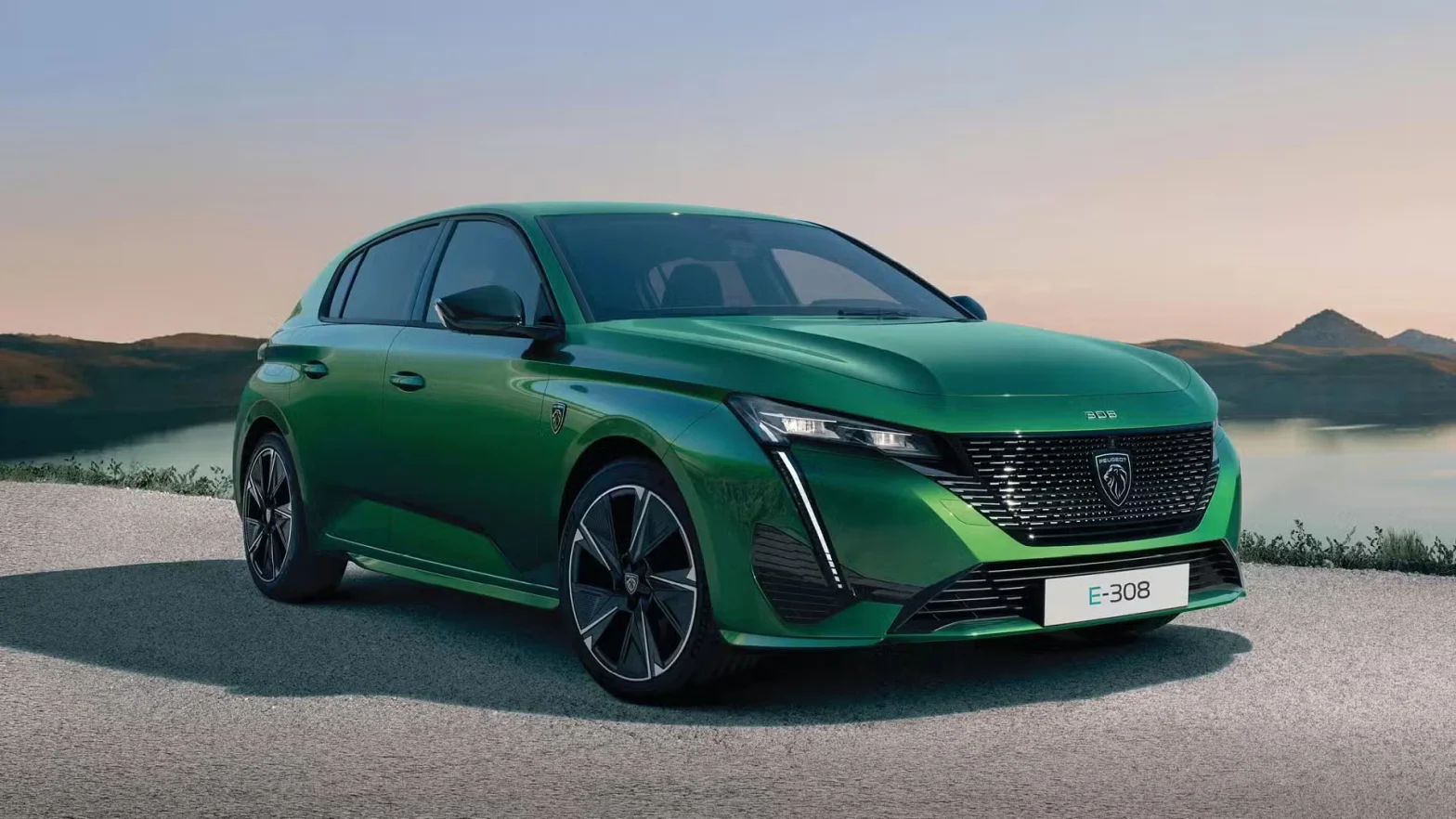
The 2025 PEUGEOT 308 lands in Australia with the confidence of a boutique Parisian tailor who has just discovered lycra. It keeps the sharp styling introduced in 2022 but slips a newly-minted 1.2-litre mild-hybrid under the bonnet, nudging outputs to 100 kW while claiming 4.2 L/100 km on the combined cycle. The result is a small hatch that looks haute-couture yet drinks like a backpacker at happy hour.
Pros and Cons
Pros
- Eye-catching new PEUGEOT 308 design with lion-badge attitude
- Frugal hybrid drivetrain and five-year unlimited-kilometre warranty
- Tech-rich 10-inch twin-screen i-Cockpit and heated wheel now standard
Cons
- Four-star ANCAP score may spook safety-first buyers
- Hybrid adds weight and $5,000 to the sticker
- Rear head-room still tight for lanky mates
How Much Does It Cost?
Pricing starts at $48,990 plus on-roads for the single GT Hybrid trim, replacing last year’s petrol GT and trimming the wagon and GT Premium from the order book. That figure plants the 308 squarely between a Mazda 3 G25 Astina at $43,905 and a freshly facelifted Volkswagen Golf R-Line at $47,990, while a base Hyundai i30 Active kicks off at $24,000 for shoppers on a tighter budget.
Features and Benefits
The 2025 PEUGEOT 308 features set reads like a French bistro menu: Matrix LED headlights for that night-time éclair glow; a panoramic sunroof to catch the Southern Cross; wireless CarPlay, Android Auto and a premium Hi-Fi to keep Triple J pumping; and Alcantara-trimmed seats sewn with Adamite green stitching that could make a Croissant blush. All variants score the latest 10-inch infotainment touchscreen backed by Peugeot’s “i-Toggles”, customisable touch shortcuts that finally make climate tweaks a one-poke affair.
Safety
ANCAP tested the current generation in 2022 and awarded four stars. Standard kit includes autonomous emergency braking with pedestrian and cyclist detection, adaptive cruise with stop-and-go, lane-centring, rear cross-traffic alert and blind-spot monitoring. Peugeot also adds a driver-attention camera and traffic-sign recognition, nudging the tech tally beyond many rivals.
Running Costs
Peugeot pegs average fuel burn at 4.2 L/100 km, a 20% improvement over last year’s pure-petrol car, thanks to that mild-hybrid starter-generator. Service prices are still TBA, yet history suggests 12-month/20,000 km intervals and pre-paid plans. Throw in the brand’s five-year warranty and the Peugeot 308 promises wallet-friendly ownership, especially for urban commuters who will spend half their drive time in silent EV glide.
Comparison To Its Competitors
Against the Mazda 3, the Peugeot 308 feels more boutique inside, though Mazda counters with a lower entry price and a five-star safety score. The Volkswagen Golf offers more drivetrain choice, including the rowdy GTI, but asks extra for similar equipment. Hyundai’s value-laden i30 still wins cheapest-ticket bragging rights, yet its cabin materials feel two rungs below the French hatch. In short, the PEUGEOT 308 courts buyers who value style, low thirst and a bit of left-field flair over bare-bones dollars or Nürburgring lap times.
2025 PEUGEOT 308: Sporty, Stylish Design Set for Australian Roads
Conclusion
Peugeot’s latest small hatch is neither the cheapest nor the quickest, yet it nails an elusive niche: premium feel without German snob tax, hybrid thrift without beige boredom. If you crave something different in the commuter car park, and can live with four rather than five ANCAP stars, the 2025 PEUGEOT 308 deserves a long test-drive.
Rating: 8.1/10
The score reflects its daring exterior, classy interior, impressive efficiency and generous kit list, tempered by the premium price rise and middling safety rating. In real-world Sydney traffic it feels light on its feet, the steering is playful and the hybrid system blends in so smoothly you soon forget it is doing the eco-heavy lifting, and that, in my book, is clever engineering wrapped in Gallic charm.